


POWER SYSTEM ANALYSIS

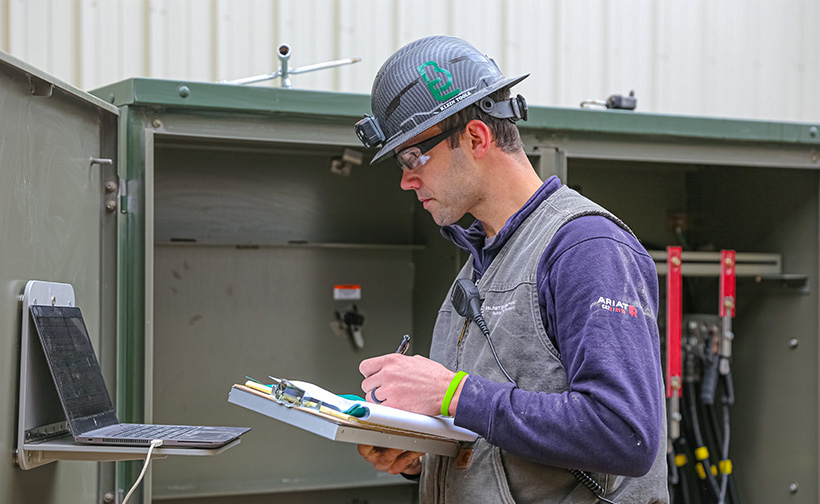
The primary goal of a power system analysis is to develop an accurate electrical model that identifies hazards, potential safety violations, and system issues, helping guide engineering solutions toward a code-compliant and safer work environment. Buist provides power system analysis services for facilities across West Michigan. An engineer, under the supervision of a licensed Professional Engineer, evaluates short-circuit conditions, protective device coordination, and arc flash hazards, and provides guidance to help ensure power is delivered safely and reliably.

REQUEST AN ANALYSIS
Circuit Background Pattern

ANALYSIS TYPES

Here are the various options that we offer for Power System Analysis’. Through conducting these studies, we will help to secure the performance of your business.

SHORT CIRCUIT ANALYSIS

A short-circuit study is performed to verify all equipment in the system is adequately rated for the maximum available fault current. This is to design safer, code-compliant electrical systems, ensuring equipment can withstand and interrupt bolted and arcing faults. All calculations comply with the latest ANSI and IEEE standards.

PROTECTIVE DEVICE COORDINATION

Time current curves illustrate protective device tripping characteristics, transformer and cable damage thresholds, and motor-starting curves, plotting current against time. This is to provide protective device settings while finding a compromise of protection and selectivity to maintain reliable power to the facility by ensuring the protective device closest to a fault operates first.

ARC FLASH

Arc flash analysis calculates the risk of electric shock, incident energy level, and arc flash boundary at each location to warn qualified workers. It considers factors such as protective device clearing time, distance from the worker to the arcing blast, proper installation, and equipment maintenance. Keeping this analysis up-to-date is crucial for establishing safe work practices and ensuring compliance with safety standards.

CAPABILITIES

CAPABILITIES
  • LOAD FLOW STUDY
  • HARMONIC ANALYSIS
  • GROUND GRID ANALYSIS
  • ONE LINE DIAGRAM DEVELOPMENT
  • ARC FLASH LABEL PRINTING AND APPLICATION
  • ELECTRICAL SAFETY AUDITS
  • POWER QUALITY ANALYSIS
  • MOTOR STARTING STUDY
  • ARC FLASH MITIGATION
  • SELECTIVE COORDINATION
  • RELAY UPGRADES AND RETROFITS
  • TRAINING

RECENT PROJECTS

View Our Portfolio

FAQ

What is power system analysis?

Power system analysis is the evaluation of an electrical distribution system to ensure it operates safely, reliably, and in compliance with applicable codes. It involves modeling the system to identify hazards, verify protection, and support overall system performance.

When is power system analysis required?

Power system analysis is typically required when new electrical systems are installed, when existing systems are modified, or when facilities need to meet updated safety standards. It is also recommended for facilities with high energy demand, mission-critical operations, or aging infrastructure.

The Occupational Safety and Health Administration (OSHA), requires employers to provide a safe working environment and follow recognized electrical safety standards. This often includes compliance with National Fire Protection Association standards such as NFPA 70E for electrical safety in the workplace.

What does a power system analysis include?

A power system analysis typically includes a short-circuit study, protective device coordination study, and arc flash hazard analysis. These evaluations help identify system risks, ensure proper equipment protection, and support safe operation.

How often should power system studies be updated?

Power system studies should be reviewed and updated whenever significant changes are made to the electrical system, such as adding new equipment or modifying distribution. Many facilities also update studies periodically to maintain compliance with safety standards like NFPA 70E.

What is an arc flash study and why is it important?

An arc flash study evaluates the potential energy released during an electrical fault and determines the appropriate safety measures. It helps protect workers by identifying hazards and establishing proper labeling and personal protective equipment (PPE) requirements.

What is a coordination study?

A coordination study ensures that protective devices, such as breakers and relays, operate in the correct sequence during a fault. Proper coordination helps isolate issues quickly, minimizing disruption and protecting equipment.

Can power system analysis help prevent downtime?

Yes, by identifying potential issues before they cause failures, power system analysis helps reduce the risk of unplanned outages, protects critical equipment, and supports more reliable system performance.

Do existing facilities need a power system analysis?

Yes, many existing facilities benefit from updated studies, especially if systems have been modified, expanded, or not evaluated in several years. Updating power system analysis helps maintain safety, compliance, and system reliability.

The Occupational Safety and Health Administration (OSHA), requires employers to provide a safe working environment and follow recognized electrical safety standards. This often includes compliance with National Fire Protection Association standards such as NFPA 70E for electrical safety in the workplace.

LET'S GET STARTED

Please fill out the form and one of our engineers will be in touch.

Video Player Close Button